The Influence of Social Media on Urban Culture
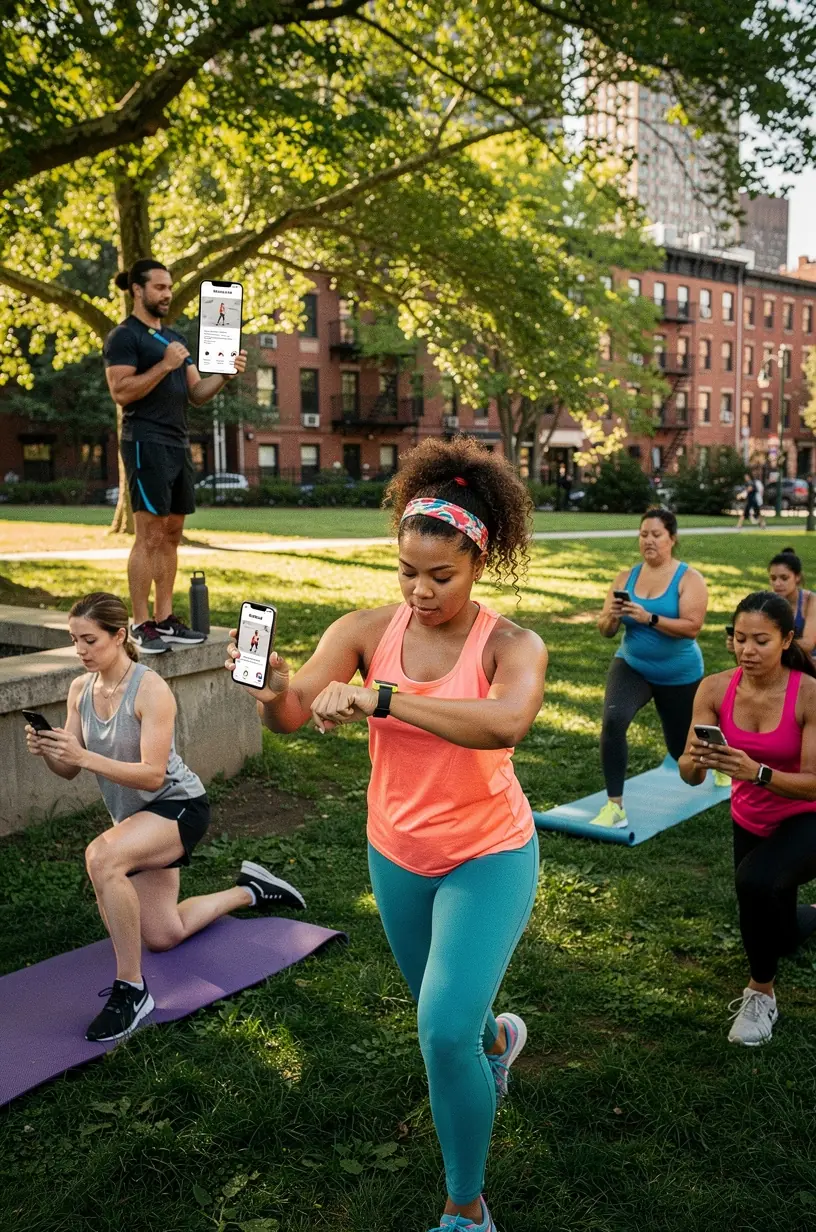
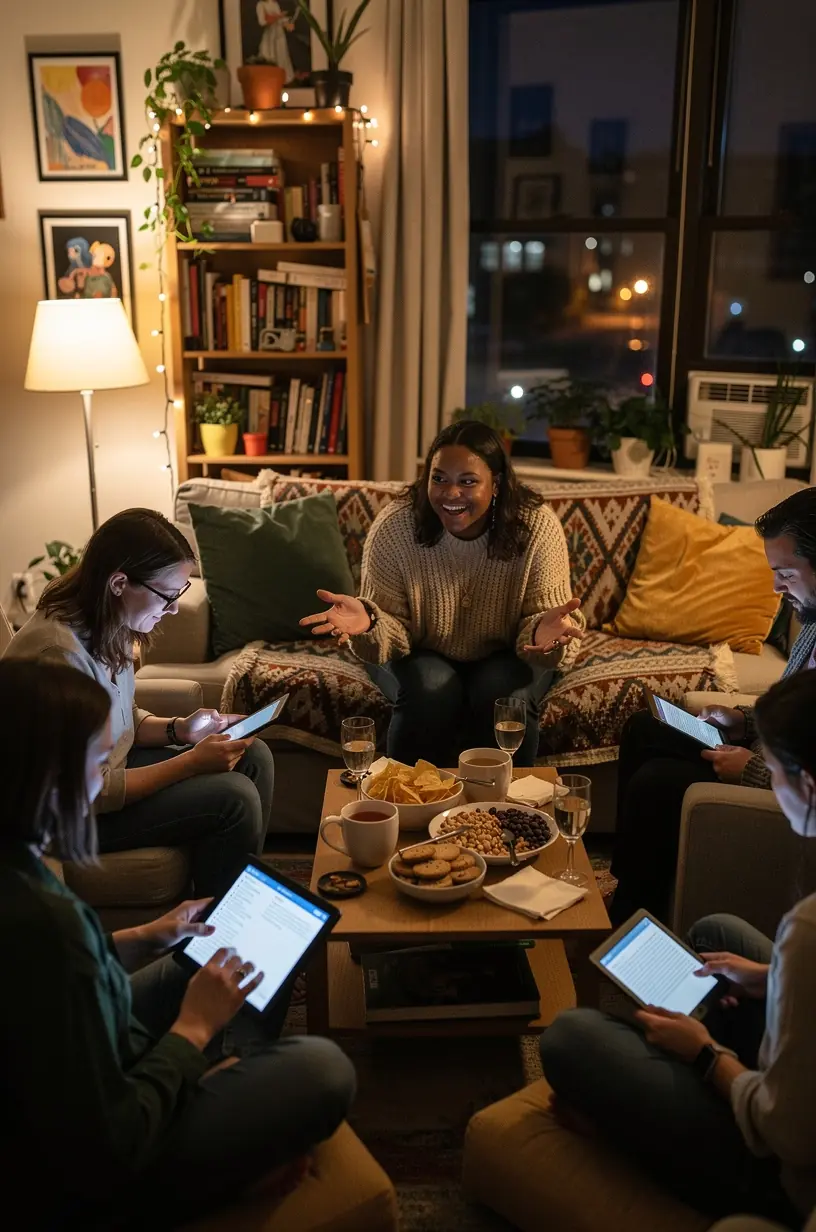
Social media has become an integral part of daily life for many urban dwellers. This article explores how these platforms impact urban culture, shaping interactions, trends, and lifestyles.
Understanding the Impact
The rise of social media has transformed the way individuals communicate and share experiences. According to research by the Pew Research Center, approximately 72% of adults in the U.S. use at least one social media platform, facilitating connections that often transcend geographical barriers.
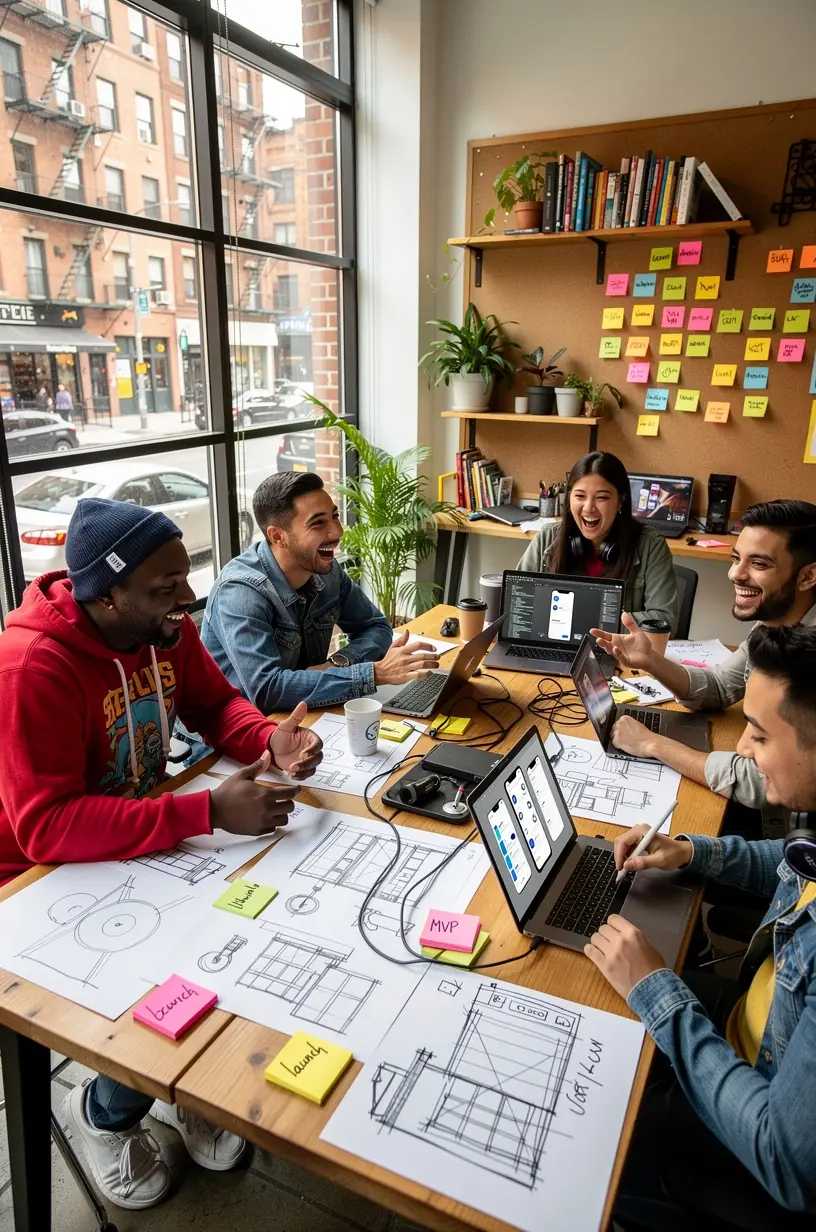
"Social media is redefining the fabric of urban culture, allowing for diverse voices to be heard and shared." - Urban Studies Expert
Shaping Urban Interactions
Social media platforms are often the primary means through which urban residents connect with each other. This shift has led to a number of observable changes:
- Enhanced Community Engagement: Cities are witnessing increased participation in local events and initiatives promoted through social media channels.
- Real-Time Communication: Users can share experiences and updates instantly, fostering a sense of immediacy in urban interactions.
- Diverse Perspectives: Social media provides a space for various voices and cultures to be shared, enriching the urban cultural landscape.
Cultural Trends and Social Media
Social media not only facilitates communication but also plays a significant role in shaping cultural trends. For example, studies indicate that many urban trends, from fashion to cuisine, often originate on platforms like Instagram and TikTok. This is particularly evident in:
- Fashion Movements: Many users report discovering new styles through influencers and peers on social media, which can lead to rapid shifts in urban fashion.
- Culinary Trends: Foodies utilize platforms to showcase local dining experiences, often leading to a surge in popularity for certain restaurants or food types.
- Art and Music: Artists and musicians are able to gain exposure through social media, often becoming popular before even releasing mainstream material.
Acknowledging the Challenges
While social media has many positive aspects, it is essential to acknowledge the challenges it presents. For instance:
- Information Overload: Users may experience fatigue due to the constant stream of information, which can lead to disengagement.
- Echo Chambers: Many users find themselves in echo chambers, where they are only exposed to opinions that reinforce their beliefs.
- Privacy Concerns: Increased sharing can lead to privacy invasions, with users often unaware of how their data is used.
Conclusion
Social media's influence on urban culture is profound and multifaceted. While it fosters connection and cultural exchange, it also presents challenges that urban dwellers must navigate. Understanding this dynamic is crucial as social media continues to evolve, shaping the urban experience in complex ways. By staying mindful of both the opportunities and challenges presented by these platforms, individuals can engage with urban culture more meaningfully.