How Virtual Reality Enhances City Exploration
Urban exploration has taken on a new dimension with the advent of Virtual Reality (VR). This technology offers innovative ways for individuals to discover cities, enhancing the exploration experience through immersive environments and interactive learning.
Understanding Virtual Reality in Urban Exploration
Virtual Reality involves the use of computer technology to create a simulated environment that can be experienced visually and aurally. According to research, VR can increase engagement and retention of information by creating immersive experiences that traditional media cannot match. In urban exploration, this translates into more meaningful interactions with city landscapes.

"Virtual Reality has the potential to redefine how we experience our surroundings, making exploration more engaging and educational." - Urban Technology Expert
Benefits of Using VR for City Exploration
- Immersive Experiences: VR can transport users to iconic locations within a city, allowing them to experience sights and sounds as if they were actually there. This has been shown to enhance emotional responses and connections to a place.
- Educational Value: Many users report that VR aids in learning about a city's history and culture. Interactive tours can provide context and background that enrich the exploration experience. For instance, users might learn about architectural styles or historical events as they navigate through digitally reconstructed environments.
- Accessibility: For individuals with mobility challenges or those unable to travel, VR provides an accessible alternative to explore cities. Research indicates that immersive simulations can make cultural experiences available to wider audiences, breaking down barriers to access.
How VR Can Be Integrated Into Urban Exploration
Implementing VR in city exploration typically involves a few key steps:
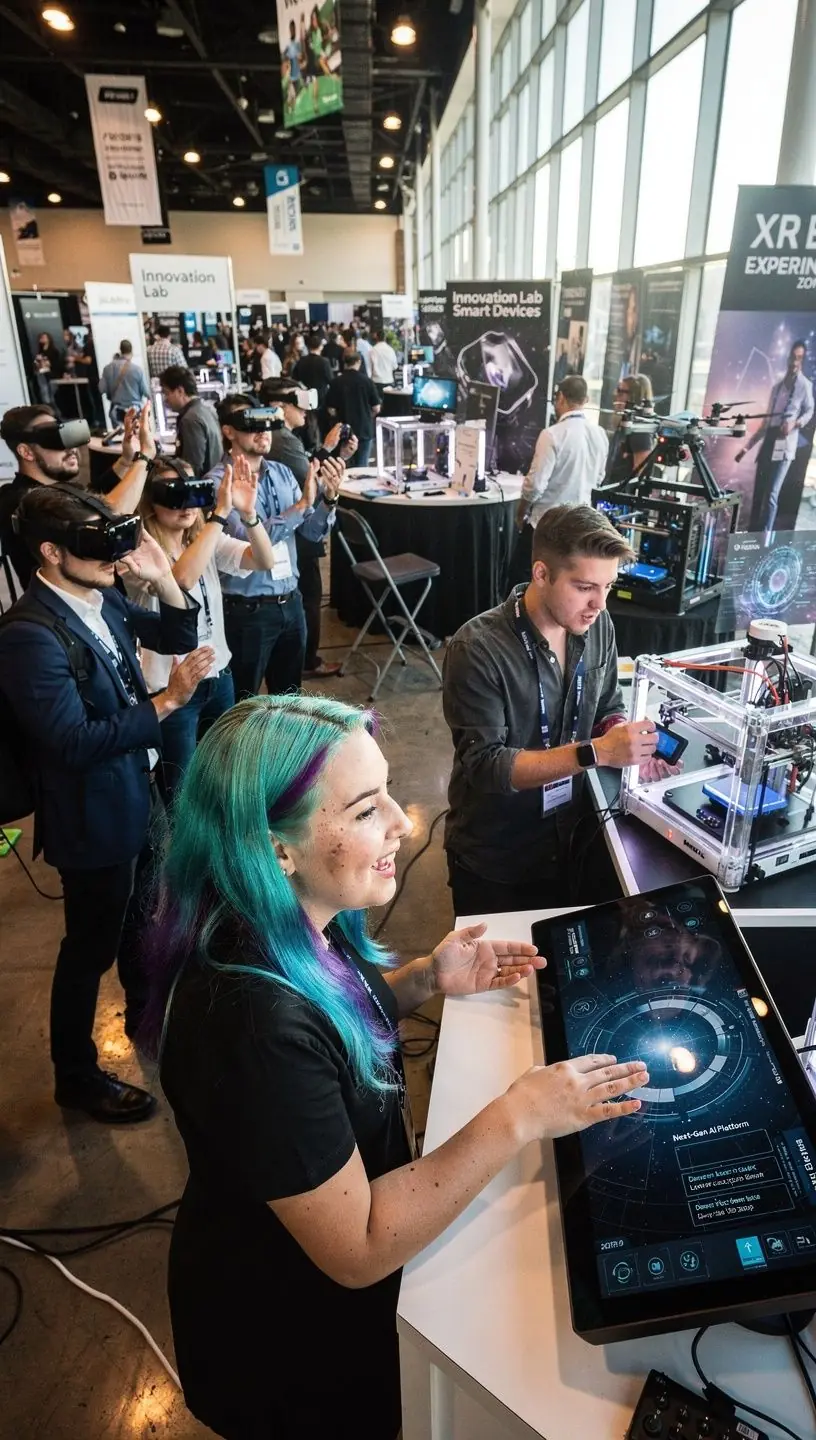
- Choosing the Right Platform: Selecting a VR platform that aligns with the desired experience is crucial. Options range from dedicated VR headsets to mobile applications that utilize smartphones.
- Planning the Exploration: Users should research VR experiences that highlight specific features of the city. Many applications allow users to choose paths or tours based on interests, such as historical sites or modern architecture.
- Engaging with Content: Active participation enhances the experience. Engaging with interactive elements within the VR environment, such as quizzes or narrative-driven content, can deepen understanding and enjoyment.
Challenges and Considerations
While VR offers numerous benefits, there are some limitations to consider. The technology typically requires a certain level of familiarity, and there might be an initial learning curve for new users. Furthermore, not every VR experience is universally compatible; some platforms may require specific hardware.
Conclusion
Virtual Reality stands out as a transformative tool for urban exploration. By providing immersive and engaging experiences, VR can enhance our understanding and appreciation of cities. As technology continues to progress, the potential for VR in this field is likely to expand, offering even more opportunities for exploration and learning. Embracing this technology can lead to more informed and enjoyable experiences in the urban landscape.