The Benefits of Digital Nomadism in Urban Areas
In an increasingly interconnected world, the concept of digital nomadism has gained traction, especially in urban environments. This lifestyle offers unique opportunities and challenges that can significantly enhance one’s living experience. In this article, we will explore the benefits of living as a digital nomad in urban areas, drawing on research and expert insights.
Understanding Digital Nomadism
Digital nomadism refers to a lifestyle that allows individuals to work remotely while traveling or living in different locations. According to the Global Workplace Analytics, remote work has increased by 173% since 2005, indicating a growing trend toward flexible work arrangements. Many digital nomads choose urban areas for their vibrant culture, diverse communities, and access to technology.

Benefits of Urban Living as a Digital Nomad
1. Access to Networking Opportunities
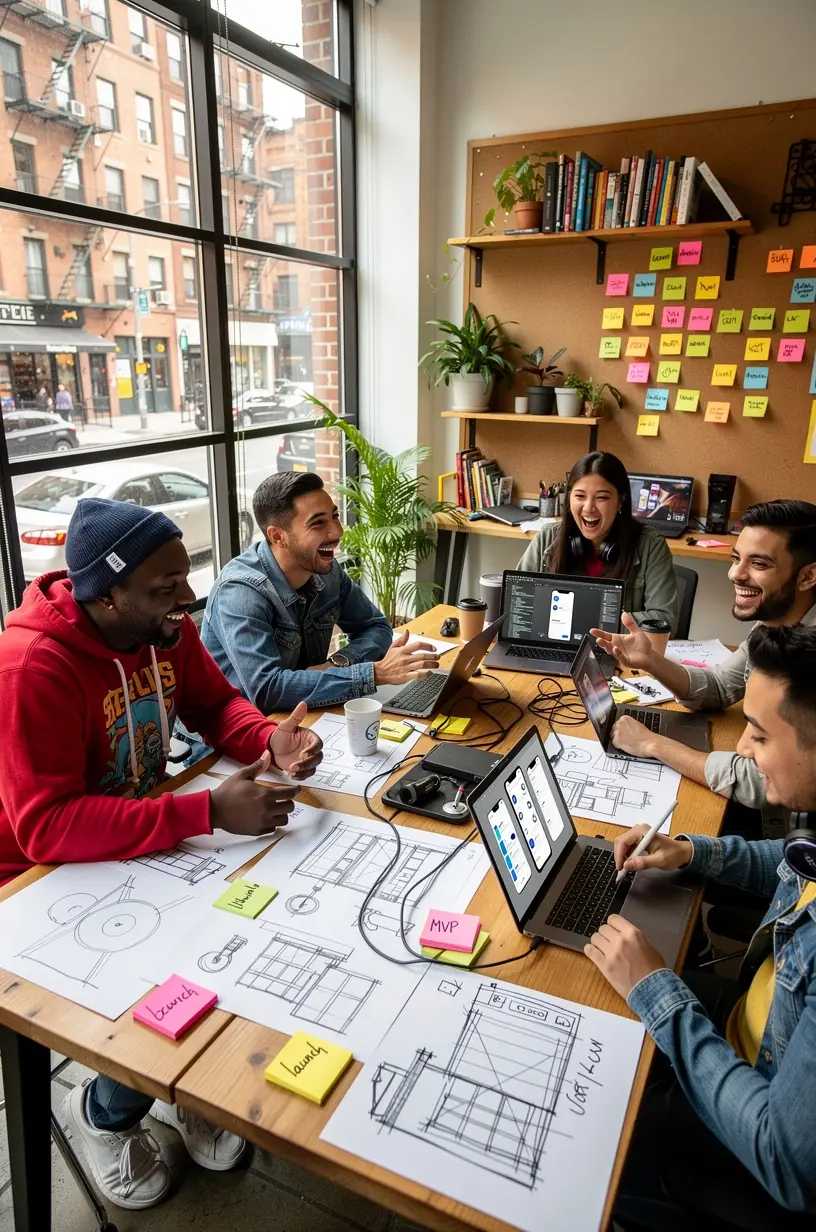
Urban areas are often hubs for innovation and creativity. They host numerous events, coworking spaces, and meetups that provide excellent networking opportunities. Experts suggest that engaging with like-minded individuals can lead to collaborations and new business opportunities. For digital nomads, this network can be invaluable for career growth and fostering new ideas.
2. Cultural Experiences
Living in a city allows digital nomads to immerse themselves in diverse cultures. Access to museums, theaters, restaurants, and local events enriches their experiences. Research indicates that exposure to different cultures can enhance creativity and critical thinking, essential traits for many remote workers.
"Cultural immersion can lead to greater creativity and problem-solving skills, crucial for success in a digital environment."
3. Improved Work-Life Balance
Urban areas often provide amenities that support a balanced lifestyle. With access to parks, gyms, and recreational activities, digital nomads can establish a routine that combines work and leisure. According to a study by the Sociological Association, individuals who engage in regular physical activity tend to report higher job satisfaction and productivity levels.
4. Access to Technology and Resources
Urban centers typically boast better internet connectivity and resources for remote work. Many cities have robust infrastructure, including coffee shops and coworking spaces with reliable Wi-Fi. This technological accessibility allows for a smoother work process and can minimize disruptions that remote workers might face in less urbanized settings.
Challenges to Consider
While there are many advantages, digital nomadism in urban areas is not without its challenges. Higher costs of living can be a significant concern. According to the U.S. Bureau of Labor Statistics, urban living expenses can be up to 30% higher than rural areas. Therefore, careful budget management is essential for sustaining this lifestyle.
Additionally, the fast-paced lifestyle of urban environments can lead to burnout. Many digital nomads report needing to establish boundaries to prevent work from overtaking their personal lives. Experts recommend creating structured work hours and incorporating downtime to sustain mental well-being.
Conclusion
Digital nomadism offers a unique avenue for professionals seeking flexibility and adventure in their lives. Urban areas provide significant benefits such as networking opportunities, cultural experiences, and access to resources, which can enhance both work and personal growth. However, it is crucial to remain aware of the challenges that accompany this lifestyle, including cost and the risk of burnout. By adopting strategies to navigate these challenges, digital nomads can thrive in the bustling environments of urban life.